Dental crowns Milpitas patients receive at Signature Smiles Dental Group are built to last — but the actual lifespan depends on the material chosen, your oral hygiene habits, and a few factors only your dentist can assess. Most dental crowns last 10 to 15 years, and many go significantly longer. This guide explains exactly what affects crown longevity and what you can do to protect your restoration.
What Are Dental Crowns?
A dental crown is a custom tooth-shaped cap cemented over a damaged, decayed, or weakened tooth to restore its shape, strength, and function. At Signature Smiles, dental crowns in Milpitas are one of the most common restorative dentistry treatments we provide — used to protect teeth after root canals, anchor dental bridges, and repair severely broken or worn teeth.
How Long Do Dental Crowns Last? Lifespan by Material
The crown material is the single biggest predictor of lifespan. Here is how the four most common types compare:
| Crown Material | Average Lifespan | Best Suited For |
|---|---|---|
| Zirconia | 15–25+ years | Back teeth; heavy grinders |
| Porcelain-fused-to-metal (PFM) | 10–15 years | Front and back teeth |
| All-porcelain / ceramic | 10–15 years | Front teeth; high aesthetic priority |
| Gold / metal alloy | 20–30+ years | Back teeth; very high bite force |
Dr. Khera recommends: Zirconia crowns for most patients. They deliver exceptional strength alongside a natural tooth-colored appearance — without the dark gumline shadow that develops with older porcelain-fused-to-metal crowns as gums recede over time.
Factors That Affect Dental Crown Lifespan
1. Daily Oral Hygiene
The crown itself cannot decay — but the tooth underneath it can. Bacteria that accumulate at the margin where a crown meets the gumline can cause decay that undermines the entire restoration. Brushing twice daily, flossing once daily, and attending regular professional cleanings are the most reliable way to extend a crown’s functional life.
2. Location in the Mouth
Back molars absorb far more chewing force than front teeth. A crown on a first molar may wear faster than one on a front tooth even with identical care. This is why material selection matters more for posterior restorations.
3. Teeth Grinding (Bruxism)
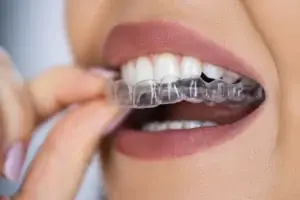
Grinding or clenching at night accelerates crown wear faster than almost any other factor. If you grind, ask our team about a custom night guard — it distributes bite forces away from the crown surface and can meaningfully extend its life.
4. Diet and Lifestyle Habits
Chewing ice, hard candy, or popcorn kernels regularly chips and fractures crown material — especially all-porcelain crowns. Tobacco use also degrades dental cement bonds over time.
5. Quality of the Original Fit
A crown that was not seated with a precise marginal fit or quality cement is more likely to loosen or develop microleakage. Choosing an experienced dentist from the start is one of the most important protections against premature failure.
Signs Your Crown May Need Replacement
- Sensitivity or pain to hot, cold, or pressure — may indicate decay beneath the crown or a failed cement seal.
- Visible chips or cracks in the porcelain, especially on back teeth.
- A dark line at the gumline — the metal substructure of an older PFM crown showing as gums recede.
- A loose or rocking crown — bacteria can reach the tooth underneath. Call us the same day.
- Crown older than 15 years — even symptom-free, a proactive X-ray evaluation makes sense.
Catching a failing crown early is almost always less costly than waiting — a tooth caught late may require extraction rather than a new crown.
How to Make Your Dental Crown Last Longer
- Brush twice daily with a soft-bristle toothbrush; pay extra attention to the gumline around each crown.
- Floss daily around crown margins. A water flosser works well for back teeth.
- Keep your six-month preventive dental care appointments — X-rays at these visits let us detect decay under a crown before it becomes a problem.
- Wear a night guard if you grind — one of the highest-value investments for protecting your crowns.
- Avoid chewing ice, hard candy, and using your teeth as tools.
Dental Crowns in Milpitas — Signature Smiles Dental Group
Whether you need a brand-new crown, a replacement for an aging restoration, or you’re weighing whether a tooth needs a crown or just a filling, Dr. Khera will review your X-rays with you and give you an honest assessment. Named America’s Best Dentist in both 2024 and 2025, Dr. Khera takes a conservative approach: dental crowns in Milpitas are recommended only when they represent the best long-term solution for the tooth.
We accept most major insurance plans and offer flexible payment options. For a deeper look at common crown questions, visit our dental crowns FAQ page or call (408) 946-0777.
Frequently Asked Questions About Dental Crowns
How long do dental crowns typically last?
Can a dental crown last a lifetime?
What causes a dental crown to fail early?
Can a crowned tooth still need a root canal?
How do I know if my crown needs replacing?
Is having a dental crown replaced painful?
Does dental insurance cover crown replacement?
What is the best crown material for patients in Milpitas?
Ready for a Crown Evaluation in Milpitas?
Call us at (408) 946-0777 or book online — same-day appointments are often available.
Book Your Appointment